



Mastering SEO Marketing: A Step-by-Step Guide

Introduction
In the digital landscape, search engines serve as the primary gateways through which consumers discover information, solutions, and businesses. The importance of visibility on platforms like Google cannot be overstated, as higher rankings directly influence website traffic, brand awareness, and ultimately, conversions. Search engine optimization (SEO marketing) is the strategic process of enhancing your website to improve its ranking and relevance in search engine results pages (SERPs).
Search engines utilize complex algorithms that analyze hundreds of ranking factors to determine which pages are most relevant to a user's query. Over time, SEO professionals have reverse-engineered these algorithms, identifying key factors such as keyword relevance, site structure, backlinks, and user experience to develop effective best practices. Understanding these underlying mechanics is crucial for crafting strategies that boost your online presence.
Ultimately, the core goal of SEO marketing is to get your content in front of the right audience at the right moment. For example, a local business optimizing for local search keywords can see a significant increase in foot traffic and inquiries by aligning their website content with what potential customers are actively searching for. This guide will walk you through the essential steps and insights needed to master SEO marketing, tailored for digital agencies, enterprise teams, and platform providers alike. By understanding both the foundational principles and the latest tactics, you can enhance your visibility, attract targeted traffic, and achieve sustained online success.
Understanding SEO Marketing and Its Benefits
In today's competitive digital landscape, understanding the core advantages of SEO marketing is essential for any business aiming to enhance its online visibility and revenue. This section explores what SEO marketing entails, why it is vital for success, and the key benefits that make it a high-ROI strategy for organizations of all sizes.
What Is SEO Marketing?
SEO marketing, or search engine optimization marketing, involves optimizing your website and online content to improve its ranking in search engine results pages (SERPs). This strategic process encompasses keyword research, on-page and off-page optimization, technical enhancements, and content creation aimed at making your site more appealing to search engines like Google. The ultimate goal is to attract organic traffic—visitors who find your website through unpaid search results—by aligning your content with what users are actively searching for.
Why SEO Is Critical for Business Success
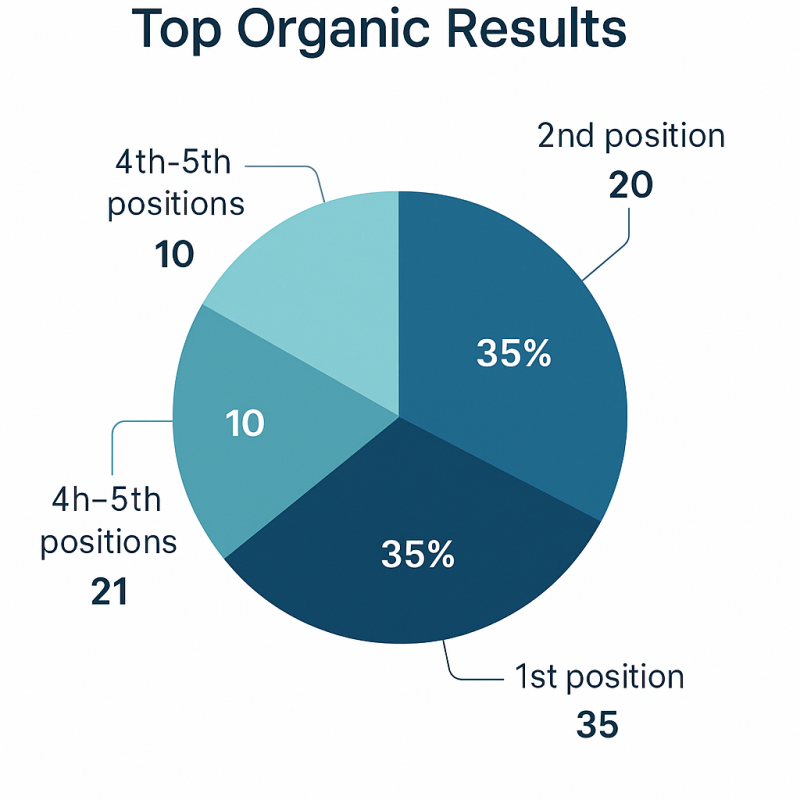
With over 69% of clicks going to the top five organic results on search engines, securing a prominent position in search rankings is crucial for visibility. Effective SEO strategies are vital for businesses of all sizes—from local shops competing in their communities to global brands seeking international reach—to stay competitive in an increasingly digital marketplace. Without SEO, your website risks remaining invisible amidst the vast online competition, limiting potential customer engagement and growth opportunities.
Key Benefits of SEO
- Increased Organic Traffic: SEO helps your website appear higher in search results, leading to more visitors who are actively seeking your products or services.
- Higher Search Engine Rankings: Optimized content and technical improvements boost your site's position, making it more likely for users to click on your link instead of competitors’.
- Cost-Effective Marketing: Compared to paid advertising, SEO offers a sustainable, high-return investment, delivering over $22 in revenue for every dollar spent.
- Enhanced User Experience: SEO involves improving site structure, speed, and content relevance, which collectively enhance visitor engagement and satisfaction.
- Brand Credibility and Trust: Appearing at the top of search results signals authority and reliability to users, increasing the likelihood of conversions.
Visual Data Insight
| Click Distribution for Top Organic Results | Percentage |
|---|---|
| 1st position | 35% |
| 2nd position | 20% |
| 3rd position | 14% |
| 4th-5th positions | 10% |
| Below 5th | 21% |
This data visually underscores the importance of ranking highly in search results, as the majority of clicks—over 69%—go to the top five positions. Securing and maintaining a top spot through effective SEO can significantly influence your website's traffic and revenue potential.
How Search Engines Work: Crawling, Indexing, and Ranking
This section provides a comprehensive overview of the fundamental processes that search engines utilize to discover, analyze, and rank web content. Understanding these core mechanics is essential for developing effective SEO strategies that align with how search engines evaluate and present your website to users.
Crawling and Discovering Content
Search engines rely on automated bots, often referred to as spiders or crawlers, to systematically explore the vast expanse of the internet. These bots start by visiting known web pages and following links to discover new or updated content. The crawling process involves scanning websites for new URLs, analyzing the structure of pages, and collecting data on the content, media, and site architecture. Efficient crawling is vital because it ensures that search engines are aware of your latest content, updates, and structural changes. Factors such as website crawl budget, server response times, and sitemap accuracy influence how effectively your site is crawled.
For marketers, ensuring proper site architecture, fixing broken links, and submitting comprehensive sitemaps are critical steps to facilitate effective crawling and maximize content visibility.
Indexing and Analyzing Pages
Once content is discovered through crawling, the next step is indexing—organizing and storing the information in a vast database known as the search engine index. During indexing, search engines analyze the page’s content, including text, images, videos, and metadata, to understand its relevance and context. This process involves parsing the content, identifying keywords, assessing media quality, and evaluating technical aspects such as mobile-friendliness and site speed.
Properly structured content, optimized meta tags, and fast-loading pages enhance the likelihood of being accurately indexed. The index acts as a massive library, enabling quick retrieval of relevant pages when a user performs a search query.
Current trends also include AI-driven analysis, where machine learning models help search engines better understand natural language and user intent, further refining the quality of search results.
Ranking Factors and Algorithms
After indexing, search engines determine the order in which pages appear in search results through complex ranking algorithms. These algorithms evaluate hundreds of ranking factors, including relevance, authority, user experience signals, and technical SEO metrics, to deliver the most pertinent results for a given query.
Key ranking factors encompass keyword relevance, backlinks (indicating authority), content quality, site speed, mobile usability, and user engagement metrics such as click-through rates and bounce rates. Search engines continuously update and refine their algorithms, incorporating advances like artificial intelligence and machine learning to better interpret user intent and content quality.
Understanding these ranking processes enables marketers to optimize their websites effectively—focusing on creating high-quality, relevant content, improving technical SEO, and building authoritative backlinks. Staying aligned with evolving algorithmic trends, such as the increased importance of page experience signals, is crucial for maintaining and improving search rankings.
Infographic: Search Engine Workflow
Below is a visual representation of the core search engine processes. The infographic illustrates the flow from crawling to indexing and finally to ranking, highlighting each step's role in delivering relevant search results. By mastering these stages, marketers can identify opportunities for optimization and ensure their content is effectively discovered and ranked.
Key SEO Strategies for Better Visibility
This section provides a detailed, step-by-step guide to implementing essential SEO strategies that can elevate your website's search engine rankings. By following these actionable tactics, you can systematically improve your online presence, attract targeted traffic, and achieve long-term success in search results.
Conducting Effective Keyword Research
Keyword research is the foundation of any successful SEO campaign. It involves identifying the terms and phrases your target audience uses when searching for products, services, or information related to your business. Effective keyword research ensures that your content aligns with user intent, increasing the likelihood of ranking higher and attracting relevant traffic.
Start by brainstorming seed keywords based on your niche, then use tools like Google Keyword Planner, Ahrefs, or SEMrush to discover additional keywords, search volume, and competition levels. Focus on long-tail keywords, which tend to have lower competition and higher conversion rates. Analyze competitors to identify keyword gaps and opportunities, and prioritize keywords that balance relevance, search volume, and achievable ranking difficulty.
Remember, keyword research is an ongoing process. Regularly update your keyword list based on trends, seasonal changes, and performance data to stay ahead of your competitors.
Optimizing On-Page Elements
On-page optimization involves refining individual web pages to improve their visibility and relevance for targeted keywords. Key elements include:
- Title Tags: Craft unique, compelling titles that incorporate primary keywords naturally. Keep titles under 60 characters to ensure complete display in search results.
- Meta Descriptions: Write clear, persuasive meta descriptions that include relevant keywords and entice users to click. Aim for 150-160 characters.
- URL Structure: Use clean, descriptive URLs that reflect the page content. Incorporate keywords where appropriate and avoid using lengthy or complex strings.
- Header Tags (H1, H2, H3): Organize content with header tags to enhance readability and emphasize important topics, including keywords thoughtfully.
- Content Optimization: Ensure your content is high-quality, relevant, and engaging. Naturally integrate keywords, include multimedia, and answer common user questions.
Regularly audit your on-page elements to maintain relevance and adapt to evolving keyword strategies. Proper on-page optimization not only improves rankings but also enhances user experience.
Enhancing Technical SEO
Technical SEO focuses on the backend aspects of your website that influence crawlability, indexability, and overall site performance. Key areas include:
- Site Speed: Optimize images, leverage browser caching, and minimize code to ensure fast-loading pages. Use tools like Google PageSpeed Insights for actionable insights.
- Mobile-Friendliness: Ensure your website is fully responsive and provides a seamless experience across all devices. Mobile usability is a crucial ranking factor.
- Structured Data: Implement schema markup to help search engines understand your content better, enhancing rich snippets and visibility.
- Secure Website (HTTPS): Use SSL certificates to secure your site, as security is a ranking signal and builds user trust.
- XML Sitemaps and Robots.txt: Submit comprehensive sitemaps and optimize robots.txt files to guide search engines effectively.
Regular technical audits help identify and fix issues promptly, maintaining optimal site health and search performance.
Building Quality Backlinks
Backlinks—links from other reputable websites—are one of the most influential ranking factors. A strategic backlink profile signals authority and trustworthiness to search engines. To build high-quality backlinks:
- Create Valuable Content: Develop comprehensive, original content that others naturally want to reference and share.
- Guest Blogging: Contribute insightful articles to authoritative industry blogs and websites, including links back to your site.
- Outreach Campaigns: Use platforms like NoBounz to verify contact data for outreach efforts, ensuring your pitches reach the right contacts and increase success rates.
- Leverage Local Listings and Citations: Claim and optimize profiles on local directories and industry-specific platforms to boost local SEO and generate backlinks.
- Monitor and Disavow Toxic Links: Regularly audit your backlink profile using tools like Google Search Console and disavow spammy or low-quality links that could harm your rankings.
Consistent efforts in building and maintaining a strong backlink profile can significantly enhance your website’s authority and search visibility.
Checklist for Implementing SEO Strategies
- Conduct comprehensive keyword research to identify relevant search terms
- Optimize all on-page elements, including titles, meta descriptions, URLs, and headers
- Create high-quality, engaging content aligned with user intent
- Improve technical SEO by enhancing site speed, mobile usability, and security
- Implement structured data to support rich snippets and better indexing
- Develop a strategic backlink acquisition plan focusing on authoritative sources
- Regularly audit your website’s SEO performance and adjust strategies accordingly
- Utilize tools like NoBounz for verifying contact data to support outreach and local SEO efforts
Remember, SEO is an ongoing process. Continuously test, analyze, and refine your tactics to stay ahead in search engine rankings and maximize your visibility. Additionally, strategies like email marketing can complement your SEO efforts by nurturing leads and driving repeat traffic.
Measuring and Analyzing SEO Performance
Understanding how your SEO efforts are performing is crucial for ongoing success. This section explores the essential metrics, tools, and strategies for analyzing SEO results, enabling you to make informed decisions that optimize your search performance over time.
Essential SEO Metrics
Effective measurement begins with tracking key performance indicators (KPIs) that reflect your SEO objectives. These metrics provide insights into various aspects of your website's visibility, engagement, and conversion potential. Core metrics include:
- Organic Traffic: The number of visitors arriving on your site through unpaid search results. An increase indicates improved visibility and content relevance.
- Bounce Rate: The percentage of visitors who leave your site after viewing only one page. A high bounce rate may suggest irrelevant content or poor user experience.
- Keyword Rankings: Your website’s positions for targeted keywords in search engine results. Monitoring rankings helps assess the effectiveness of your optimization efforts.
- Conversion Rate: The proportion of visitors completing desired actions, such as filling out a form or making a purchase. This indicates how well your traffic translates into tangible results.
- Backlink Profile: The quantity and quality of backlinks pointing to your site, reflecting domain authority and trustworthiness.
Consistently tracking these metrics allows you to identify trends, measure progress, and pinpoint areas needing improvement.
Using Analytics Tools
Leveraging the right analytics platforms is essential for extracting actionable insights from your data. Popular tools include:
- Google Analytics: Offers comprehensive data on website traffic, user behavior, and conversion tracking. It enables segmentation and goal setting to evaluate specific campaigns.
- Google Search Console: Provides detailed information on search performance, including keyword rankings, click-through rates, indexing status, and technical issues that may impact visibility.
- Third-Party Platforms: Tools like SEMrush, Ahrefs, and Moz offer advanced features such as competitor analysis, backlink auditing, and keyword tracking, giving a broader perspective on your SEO landscape.
Integrating data from these sources provides a holistic view of your SEO health, helping you identify what’s working and where adjustments are needed.
Adjusting Strategies Based on Data
Data-driven decision-making is the cornerstone of effective SEO management. By analyzing your metrics, you can:
- Identify High-Performing Content: Focus on amplifying content that attracts traffic and conversions.
- Pinpoint Underperforming Pages: Optimize or remove pages with low engagement or high bounce rates.
- Refine Keyword Strategies: Shift focus toward keywords with increasing rankings or high conversion potential.
- Improve Technical SEO: Address crawl errors, slow-loading pages, or mobile usability issues highlighted by analytics.
- Monitor Competitor Performance: Use insights to adapt your tactics and stay ahead in search rankings.
Regular reporting and analysis allow you to respond swiftly to changing trends, ensuring your SEO strategy remains aligned with your business goals. Remember, the key is not just collecting data but interpreting it accurately to guide continuous improvement.
Table: Sample SEO Performance Metrics and Insights
| Metric | What It Indicates | Actionable Insight |
|---|---|---|
| Organic Traffic | Overall visibility and reach in search engines | Increase with targeted content and keyword optimization |
| Bounce Rate | Visitor engagement and content relevance | High bounce rate suggests need for better content matching or UX improvements |
| Keyword Rankings | Page relevance for target search terms | Track fluctuations to adjust on-page SEO or expand keyword targeting |
| Conversion Rate | Effectiveness of your site in generating desired actions | Optimize landing pages and calls-to-action based on performance data |
| Backlink Quality | Site authority and trustworthiness | Focus on acquiring backlinks from reputable sources to enhance domain authority |
By systematically analyzing these metrics, you can craft a data-driven SEO strategy that continuously adapts to changing search engine algorithms and user behaviors, ultimately leading to sustained online success.
Integrating SEO with Your Overall Marketing Strategy
Combining SEO with other marketing channels creates a powerful, cohesive approach that amplifies your brand’s visibility and engagement. This section explores how aligning SEO with content marketing, social media, and paid advertising can produce synergistic benefits, leading to more comprehensive and effective campaigns.
Aligning SEO with Content Marketing
Content marketing and SEO are inherently interconnected, as high-quality, keyword-optimized content serves as the foundation for both organic visibility and audience engagement. When your content strategy incorporates targeted keywords, engaging storytelling, and valuable information, it naturally enhances your search rankings while providing value to your audience. For instance, creating blog posts, videos, and infographics around trending search queries not only attracts organic traffic but also encourages sharing and backlinks, further boosting your authority.
Pros of aligning SEO with content marketing include increased relevance in search results, improved user experience, and higher chances of content going viral through shares. However, a potential challenge is ensuring consistent quality and keyword relevance without sacrificing authenticity. To overcome this, develop a content calendar that integrates keyword research insights and aligns with overarching marketing goals.
Leveraging Social Media for SEO
Social media platforms are vital channels for amplifying your SEO efforts. Sharing optimized content across channels like Facebook, LinkedIn, Twitter, and Instagram can drive traffic, generate backlinks, and increase brand awareness. Social signals—such as shares, likes, and comments—may indirectly influence search rankings by signaling content popularity and relevance.
Pros of integrating social media include broader content distribution, real-time engagement with your audience, and opportunities for user-generated content that can enhance your SEO profile. The main challenge lies in maintaining consistency and measuring direct SEO impact. Utilizing analytics tools to track referral traffic and engagement metrics helps optimize social campaigns for SEO benefits.
Combining Paid and Organic Strategies
Blending paid advertising with organic SEO efforts creates a comprehensive marketing ecosystem. Paid campaigns, such as Google Ads or social media ads, can target specific keywords and demographics immediately, while SEO builds long-term authority and organic visibility. When coordinated, paid efforts can support content promotion, accelerate keyword rankings, and fill gaps in organic reach.
Pros of this integrated approach include immediate visibility, precise targeting, and data-driven insights to refine both strategies. However, challenges include budget management and avoiding message dissonance. To maximize results, synchronize messaging, use shared analytics platforms, and allocate budgets strategically—investing in paid campaigns that complement your organic content and SEO goals.
NoBounz’s Role in SEO Integration
NoBounz’s AI-powered contact verification services support outreach and local SEO campaigns by ensuring your contact data is accurate and up-to-date. Whether conducting outreach for backlink building or local business promotion, verified contacts improve engagement rates and campaign effectiveness. This integration ensures your outreach efforts are targeted, reducing bounce rates and enhancing your overall marketing impact.
By combining NoBounz’s verification tools with your broader SEO and content strategies, you can create a seamless, data-driven marketing ecosystem that maximizes reach, authority, and conversion potential.
Potential Challenges and Solutions
- Siloed Strategies: Teams working in isolation can hinder seamless integration. Solution: Foster cross-departmental collaboration and shared goals.
- Resource Allocation: Balancing budget and effort across channels can be complex. Solution: Use integrated analytics to prioritize high-impact activities.
- Consistency in Messaging: Divergent content and messaging may confuse audiences. Solution: Develop unified brand guidelines and coordinated content calendars.
Overall, viewing SEO as part of an interconnected marketing ecosystem unlocks greater potential for visibility, engagement, and conversions. When executed strategically, integrated marketing efforts create a multiplier effect—driving sustained growth and brand authority across all channels.
Conclusion: Implementing Your SEO Marketing Plan
Successfully launching or refining an SEO marketing strategy requires careful planning, consistent effort, and ongoing optimization. This checklist provides a clear, actionable roadmap to guide you through the essential steps necessary for achieving sustainable organic growth and long-term success in search engine rankings.
Rich Elements: Checklist
- Conduct Comprehensive Keyword Research: Use tools like Google Keyword Planner, SEMrush, or Ahrefs to identify relevant, high-volume keywords with achievable competition levels. Focus on long-tail variations to target specific user intent.
- Optimize On-Page Elements: Ensure each page has unique, keyword-rich titles, compelling meta descriptions, clean URL structures, and properly organized header tags (H1, H2, H3). Incorporate keywords naturally into high-quality content.
- Create High-Quality Content: Develop valuable, engaging, and relevant content that addresses your audience’s needs. Use multimedia elements like images and videos to enhance user engagement and shareability.
- Fix Technical SEO Issues: Improve site speed by optimizing images and code, ensure mobile responsiveness, implement structured data with schema markup, secure your site with HTTPS, and submit XML sitemaps for better crawlability.
- Build and Maintain Quality Backlinks: Engage in outreach, guest blogging, and content promotion to acquire authoritative backlinks. Use tools like NoBounz to verify contact data for outreach campaigns.
- Implement Performance Analytics: Set up and regularly review metrics via Google Analytics and Google Search Console. Track organic traffic, bounce rates, keyword rankings, and conversions to assess progress.
- Analyze and Adjust Strategies: Use data insights to refine your keyword targeting, content approach, and technical optimizations. Stay adaptable by keeping up with algorithm updates and industry trends.
- Maintain Consistency and Persistence: SEO is an ongoing process. Continuously create new content, optimize existing pages, and build relationships to sustain growth and improve rankings over time.
By systematically implementing each step of this checklist, you lay a strong foundation for your SEO marketing efforts. Remember, persistent effort and data-driven adjustments are key to achieving and maintaining top search engine positions, leading to increased visibility, traffic, and conversions.
Frequently Asked Questions (FAQ)
Can I do SEO marketing myself or do I need to hire a professional?
Many small businesses and digital marketers start with DIY SEO, leveraging available tools and resources to improve their search rankings. With a good understanding of keyword research, on-page optimization, and technical basics, you can achieve significant results independently. However, SEO is a complex and ever-evolving field, so hiring a professional can accelerate your progress, especially for highly competitive markets or technical challenges. Ultimately, whether to do it yourself or hire experts depends on your goals, resources, and willingness to learn.
How much does SEO marketing typically cost?
The costs of SEO marketing vary widely depending on the scope, competitiveness of your industry, and whether you choose DIY methods or professional services. DIY efforts mainly involve investing in tools like keyword research platforms, analytics, and possibly educational resources, which can range from free to a few hundred dollars per month. Professional SEO agencies or consultants might charge anywhere from $500 to several thousand dollars per month for comprehensive campaigns. While initial investments can be significant, effective SEO can deliver a high ROI by increasing organic traffic and conversions over time.
Is SEO marketing effective in the long run?
Yes, SEO marketing is highly effective for building sustainable online visibility. Unlike paid advertising, which stops generating results once you stop funding, SEO efforts can continue to attract traffic for months or even years when properly implemented. Consistent optimization, quality content creation, and backlink building contribute to long-term authority and higher search rankings. However, it requires ongoing effort to adapt to algorithm updates and changing user behaviors to maintain and improve your results.
How long does it take to see results from SEO marketing?
Typically, noticeable improvements in search rankings and traffic can take anywhere from three to six months, depending on your industry, competition, and the effectiveness of your strategies. Local businesses or niche markets may see faster results, while highly competitive sectors might require a year or more of consistent effort. Patience and persistence are key, as SEO is a gradual process that builds authority and relevance over time.
What are the most important SEO marketing factors I should focus on?
While many factors influence SEO, the most critical ones include high-quality, relevant content; proper keyword targeting; technical website health (speed, mobile-friendliness, security); and a strong backlink profile. Staying up-to-date with search engine algorithm changes and continuously optimizing your site ensures sustained success. Remember, a balanced approach that combines on-page, technical, and off-page SEO typically yields the best results.
How does NoBounz support SEO marketing efforts?
NoBounz provides AI-powered contact verification services that help ensure your outreach, backlink building, and local SEO campaigns are more effective. By verifying and cleaning contact data in bulk, in real-time, and with detailed analytics, NoBounz helps marketers reach the right contacts, reduce bounce rates, and improve engagement. Integrating verified contact data into your SEO strategies can enhance your outreach campaigns, build authoritative backlinks, and strengthen your overall online presence.
About David Park
Data quality engineer and email verification specialist. David has built verification systems processing millions of emails daily and writes about list hygiene, bounce prevention, and API integration best practices.

Start verifying your contact lists today
Start your free trial and see how NoBounz can improve your email deliverability and protect your reputation.