



Mastering Email Marketing: Strategies, Benefits & Best Pract

Introduction
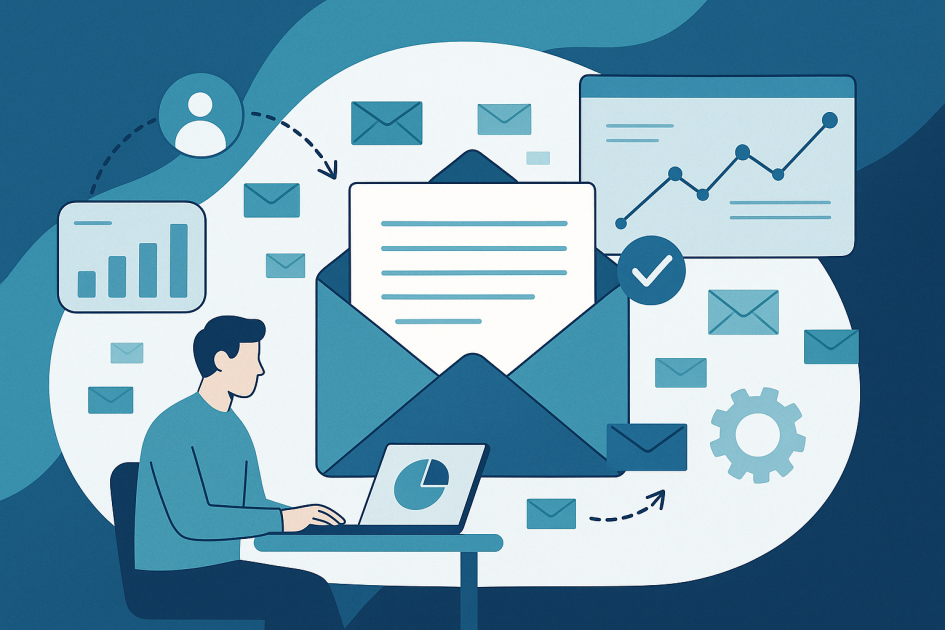
Welcome to this comprehensive guide on mastering email marketing, a vital component of modern digital strategies. Here, we provide an overview of what email marketing entails, its significance in the digital landscape, and how it continues to evolve as a powerful tool for engagement and conversion.
Understanding Email Marketing
Email marketing involves using targeted email campaigns to communicate directly with prospects and customers. It enables businesses to nurture relationships, promote products or services, and drive conversions through personalized and timely messages. With over 4 billion email users worldwide, it remains one of the most cost-effective and high-ROI channels in digital marketing.
The Importance of Email Marketing in Today’s Business Environment
Despite the rise of social media and other digital channels, email marketing maintains its relevance due to its direct access to audiences and measurable results. It provides a unique opportunity to deliver tailored content, build brand loyalty, and generate revenue. Moreover, advancements in automation and data analytics have empowered marketers to refine their strategies for even greater effectiveness.
Effective email marketing not only enhances customer engagement but also boosts overall marketing efficiency. When combined with robust verification services like those offered by NoBounz, businesses can ensure their contact lists are accurate, thereby increasing deliverability rates and safeguarding their sender reputation. This foundational understanding sets the stage for exploring how to build and optimize successful email campaigns.
What Is Email Marketing and Why It Matters
This section provides an in-depth exploration of email marketing, explaining its core concepts, historical development, and the strategic advantages it offers in the digital landscape. Understanding these fundamentals is essential for leveraging email marketing effectively in modern campaigns.
Definition and Scope of Email Marketing
Email marketing is a direct communication channel that involves sending targeted messages to a list of contacts via email to promote products, services, or brand awareness. Its scope extends from simple newsletters and promotional offers to complex automated drip campaigns and personalized transactional messages. This channel enables businesses to nurture relationships, engage customers at various touchpoints, and drive conversions with precision.
In practice, email marketing encompasses various tactics such as segmentation, personalization, A/B testing, and automation, making it a versatile tool for marketers aiming to deliver relevant content at the right time. Its ability to integrate with other digital channels and analytics platforms further enhances its strategic value.
Historical Context and Evolution
Since its inception in the early 1970s, email marketing has evolved alongside technological advancements and changing consumer behaviors. Initially used for simple communication, it rapidly grew into a sophisticated marketing channel in the late 1990s and early 2000s, driven by the rise of internet usage and email adoption.
Over the years, innovations such as HTML formatting, targeted segmentation, automation, and real-time analytics have transformed email marketing from basic broadcasts to highly personalized and data-driven campaigns. The introduction of spam filters and stricter regulations, like GDPR and the CAN-SPAM Act, prompted marketers to adopt best practices and focus on permission-based marketing, increasing the effectiveness and trustworthiness of email campaigns.
Today, the integration of AI and machine learning, exemplified by services like NoBounz, enables real-time contact validation, improved deliverability, and enhanced targeting, ensuring email marketing remains a vital component of digital strategies.
Key Benefits and Competitive Advantages
Email marketing offers numerous benefits that make it a preferred choice for businesses aiming to maximize ROI and customer engagement. Its primary advantages include high cost-effectiveness, measurable results, and the ability to deliver personalized content at scale.
One of the most significant benefits is its exceptional return on investment (ROI). According to industry reports, every dollar spent on email marketing can generate an average return of $42, highlighting its profitability. Additionally, email provides direct access to an engaged audience, allowing for tailored messaging based on user behavior and preferences.
Another critical advantage is the capability to automate campaigns, reducing manual effort while maintaining timely communication. Furthermore, with robust verification services like NoBounz, marketers can ensure their contact lists are accurate, significantly improving deliverability rates, reducing bounce rates, and protecting sender reputation. This combination of benefits positions email marketing as a powerful and competitive channel in the digital marketing arsenal.
Chart: Evolution of Email Marketing Strategies Over Time
Insights from the chart illustrate how email marketing strategies have progressed from basic email blasts to sophisticated, data-driven campaigns utilizing automation, AI, and contact validation services. This evolution underscores the importance of adopting new technologies and best practices to stay competitive and maximize campaign success.
Building an Effective Email List
Creating a high-quality email list is the foundation of successful email marketing. This section explores strategic approaches to grow your list, how to segment it for maximum relevance, and maintaining its health to ensure ongoing engagement and deliverability.
Strategies for Growing Your List
Expanding your email list requires a combination of targeted tactics that attract interested and engaged contacts. Effective strategies include offering valuable incentives such as exclusive content, discounts, or free trials to motivate sign-ups. Leveraging website pop-ups, landing pages, and social media campaigns can also significantly increase subscription rates. Additionally, partnering with complementary brands or industry influencers can help reach broader audiences. Ensuring that all sign-up methods comply with data privacy regulations like GDPR and CAN-SPAM is essential to build trust from the outset.
Another vital approach is to optimize the user experience during the sign-up process by keeping forms simple, clear, and mobile-friendly. Incorporating double opt-in procedures not only confirms the authenticity of contacts but also improves overall list quality. Regularly promoting your email list through various channels and providing clear value propositions encourages more users to subscribe, ultimately leading to a robust and engaged contact database.
Best Practices for List Segmentation
Segmentation involves dividing your email list into smaller, targeted groups based on specific criteria such as demographics, purchase history, engagement levels, or behavioral data. This practice allows for highly personalized messaging, which increases relevance and response rates. For example, you might segment by customer lifecycle stage to send onboarding emails to new subscribers or re-engagement campaigns to inactive contacts.
Effective segmentation strategies include dynamic list updates that automatically adjust based on user actions and preferences. Utilizing advanced analytics and contact validation tools like NoBounz ensures that your segments are accurate and current, reducing bounce rates and enhancing deliverability. Proper segmentation not only improves campaign performance but also fosters stronger relationships by delivering content that truly resonates with each audience segment.
Maintaining List Health and Engagement
Keeping your email list healthy is crucial for maintaining high deliverability rates and sender reputation. Regularly cleaning your list by removing invalid or inactive contacts prevents bounce-backs and spam complaints. Implementing automated re-engagement campaigns can revive dormant subscribers, and offering easy ways to update preferences helps maintain relevance and trust.
Consistently monitoring engagement metrics such as open rates, click-through rates, and unsubscribe rates provides insights into list health. Segmenting unresponsive contacts and re-engaging them with targeted offers or content is an effective tactic. Additionally, integrating contact verification services like NoBounz allows for real-time validation, ensuring your list remains accurate and compliant with data standards. Maintaining a healthy list ultimately leads to better deliverability, higher engagement, and a stronger sender reputation.
Checklist for Building and Maintaining a Strong Email List
- Offer valuable incentives to encourage sign-ups
- Use simple, mobile-friendly sign-up forms
- Implement double opt-in procedures for authenticity
- Leverage multiple channels (website, social media, partnerships)
- Segment contacts based on relevant criteria for personalization
- Regularly clean your list by removing invalid or inactive contacts
- Use real-time contact validation to ensure list accuracy
- Monitor engagement metrics continuously
- Provide easy options for contacts to update preferences or unsubscribe
Designing and Automating Campaigns
Effective email marketing campaigns require thoughtful design and strategic automation to engage recipients consistently and efficiently. This section explores how to craft compelling content, set up automation workflows, and leverage personalization techniques to maximize campaign performance and deliver targeted messages at the right moments.
Creating Engaging Email Content
The foundation of a successful email campaign lies in compelling content that resonates with your audience. Engaging emails should combine clear messaging, attractive visuals, and a strong call-to-action (CTA). Start by understanding your recipients’ preferences and pain points to craft relevant subject lines that entice opens. The body content should be concise yet informative, offering value through insights, offers, or entertainment.
Visual elements such as images, banners, and buttons should be optimized for both desktop and mobile devices to ensure a seamless user experience. Personal touches, such as addressing recipients by name or referencing recent interactions, further boost engagement. Testing different formats and content styles through A/B testing can help identify what resonates best with your audience, leading to higher open and click-through rates.
Automation Workflows and Triggers
Automation allows marketers to deliver timely and relevant messages without manual intervention. Setting up workflows involves defining specific triggers—such as a new subscriber sign-up, cart abandonment, or a milestone purchase—that initiate a series of automated emails. These sequences nurture leads, onboard new customers, or re-engage inactive contacts, ensuring continuous communication aligned with user behavior.
Effective automation workflows are multi-stage and personalized, guiding recipients through their customer journey with targeted content and offers. For example, a welcome series might include an introductory offer, product recommendations, and educational resources, all triggered automatically upon subscription. Utilizing platforms that support real-time API integration, like NoBounz, ensures contact data remains accurate and contacts are validated before reaching recipients, reducing bounce rates and improving deliverability.
Personalization Techniques
Personalization elevates email marketing by tailoring content to individual recipients based on their preferences, behaviors, and demographics. Beyond inserting the recipient’s name, advanced techniques include dynamic content blocks that change according to user segments, purchase history, or browsing activity. For instance, recommending products based on recent views or previous purchases increases relevance and conversion potential.
Segmented automation workflows can further refine personalization, delivering specific messages to different groups within your list. Incorporating real-time data validation services like NoBounz ensures that contact information is current and valid, which enhances personalization accuracy and reduces deliverability issues. Ultimately, personalized campaigns foster stronger relationships, higher engagement, and improved ROI.
Sample Campaign Workflow Table
| Stage | Trigger | Content | Timing |
|---|---|---|---|
| Welcome Email | New subscriber sign-up | Introduction to brand, value proposition, special offer | Immediately after sign-up |
| Follow-up | 1 week after welcome email | Educational content, product recommendations | 7 days after initial email |
| Re-engagement | Inactivity for 3 months | Exclusive offer or survey to re-engage | 3 months after last interaction |
Measuring and Optimizing Email Performance
This section delves into the importance of data-driven analysis for enhancing your email marketing campaigns. By understanding key performance metrics, experimenting through A/B testing, and leveraging insights to make continuous improvements, marketers can significantly boost campaign effectiveness and ROI.
Key Performance Metrics
Accurately measuring the success of your email campaigns requires tracking several vital metrics that provide insights into recipient engagement and overall performance. The most critical indicators include open rates, click-through rates (CTR), bounce rates, unsubscribe rates, and conversion rates. Each metric offers a different perspective on how recipients interact with your emails and how well your campaign resonates with your audience.
For example, a high open rate suggests that subject lines and sender reputation are compelling, while a low CTR may indicate that the content or call-to-action needs refinement. Bounce rates reveal issues with contact list quality, which can be mitigated by using verification tools like NoBounz to ensure contacts are valid and deliverable. Monitoring these metrics consistently allows marketers to identify strengths and areas for improvement, ensuring campaigns remain effective and compliant.
A/B Testing and Experimentation
Implementing A/B testing is essential for discovering which elements of your email campaigns resonate best with your audience. This involves creating two or more variations of an email—such as different subject lines, content layouts, images, or CTA placements—and sending them to segmented portions of your list. By analyzing performance data, marketers can determine which version yields higher engagement and refine future campaigns accordingly.
Effective experimentation extends beyond simple A/B tests; it encourages iterative improvements across all campaign components. Testing send times, personalization tactics, or email frequency can uncover valuable insights that optimize overall performance. Incorporating real-time contact validation ensures that each test is conducted on accurate data, reducing bounce-related distortions and providing more reliable results.
Using Data to Improve Campaigns
Data analysis is the cornerstone of continuous campaign optimization. By examining performance metrics over time, marketers can identify trends, segment-specific behaviors, and content preferences. This information guides strategic decisions such as refining targeting criteria, tailoring content, or adjusting send times to maximize engagement.
Advanced analytics tools, integrated with verification services like NoBounz, enable real-time insights into contact validity and engagement levels. For instance, if a segment shows declining open rates, a targeted re-engagement campaign can be deployed, or list cleaning procedures can be intensified. Additionally, visual data representations like charts help in quickly grasping performance patterns and making informed adjustments. Ultimately, leveraging data-driven insights ensures that every email campaign becomes more effective, personalized, and aligned with your marketing goals.
Chart: Email Performance Metrics Over Time
The chart illustrates how key performance metrics such as open rates, CTR, bounce rates, and conversions evolve over multiple campaigns. Analyzing these trends helps marketers identify successful strategies and areas needing adjustment, emphasizing the importance of ongoing data analysis to maximize campaign success.
Overcoming Challenges in Email Marketing
While email marketing offers numerous advantages, it also presents several challenges that require strategic solutions to ensure success. This section provides an overview of common obstacles faced by marketers and outlines effective methods to overcome them, helping to maintain campaign effectiveness and safeguard brand reputation.
Common Challenges and Solutions
One of the primary challenges in email marketing is achieving high deliverability rates. Factors such as invalid contacts, spam filters, and poor list hygiene can significantly hinder campaign performance. To combat this, marketers should regularly validate and clean their contact lists using reliable verification services like NoBounz, which analyze contact data across multiple points to reduce bounces and improve inbox placement.
Another common issue is low engagement, often caused by irrelevant content or poor personalization. The solution lies in segmenting the audience effectively and tailoring content to specific groups, thereby increasing relevance and response rates. A/B testing different subject lines, content formats, and send times can also identify what resonates best with recipients.
Spam complaints and unsubscribes pose additional hurdles, often stemming from misleading subject lines or over-solicitation. Transparent communication, clear opt-out options, and respecting user preferences are essential strategies to minimize these issues. Providing value and maintaining trust are key to fostering long-term engagement.
Maintaining Sender Reputation
Sender reputation is crucial for ensuring your emails reach the inbox rather than spam folders. Factors influencing reputation include bounce rates, complaint rates, and engagement levels. High bounce rates, often due to outdated or invalid contacts, can damage reputation quickly. Implementing real-time contact validation through services like NoBounz helps keep contact lists accurate, thereby reducing bounces and protecting sender scores.
Consistently monitoring engagement metrics and promptly removing inactive or unengaged contacts also contributes to a healthy sender reputation. Additionally, adhering to email best practices—such as using clear sender names, avoiding spammy language, and respecting privacy regulations—further safeguards your reputation and ensures ongoing campaign success.
Pros of maintaining a good sender reputation include higher inbox placement, improved deliverability, and increased ROI. Conversely, the cons of neglecting reputation management include deliverability issues, potential blacklisting, and damage to brand credibility.
Ensuring Data Compliance
Data compliance is a critical aspect of modern email marketing, especially with regulations like GDPR, CAN-SPAM, and CASL, which govern how businesses collect, store, and use personal information. Non-compliance can result in hefty fines, legal actions, and damage to brand trust. To ensure compliance, marketers must obtain explicit consent from contacts before sending marketing emails and provide straightforward options for opting out or updating preferences.
Implementing robust data management practices, including secure storage and regular audits, helps maintain compliance. Using verification services like NoBounz not only improves deliverability but also ensures contact data adheres to standards, reducing the risk of sending to invalid or non-consenting contacts.
Pros of strict compliance include enhanced trust, reduced legal risks, and better relationships with customers. The cons of non-compliance involve potential legal penalties, reputation damage, and loss of customer trust, which can be difficult to recover.
Best Practices for Successful Email Campaigns
Implementing effective strategies is essential for maximizing the impact of your email marketing efforts. This section provides a comprehensive checklist of best practices that help ensure your campaigns are engaging, relevant, and optimized for success. By following these guidelines, marketers can improve open rates, click-throughs, and overall ROI.
Crafting Attention-Grabbing Subject Lines
- Use clear, concise language that conveys the value or benefit of the email.
- Incorporate personalization tokens, such as the recipient’s name or location, to increase relevance.
- Create a sense of urgency or curiosity to encourage immediate opens, e.g., "Limited Time Offer" or "Discover What's New."
- Avoid spam trigger words and excessive punctuation that can hinder deliverability or trigger spam filters.
- Test different subject line formats through A/B testing to identify what resonates best with your audience.
Personalization and Segmentation
- Segment your contact list based on demographics, behaviors, or purchase history for targeted messaging.
- Use dynamic content blocks to tailor email content dynamically according to recipient preferences.
- Address recipients by name and reference recent interactions to foster a personalized experience.
- Leverage real-time contact validation services like NoBounz to ensure data accuracy before sending personalized messages.
- Develop tailored workflows for different segments to increase relevance and engagement.
Regular Testing and Optimization
- Conduct A/B tests on subject lines, email layouts, images, and calls-to-action to determine what performs best.
- Monitor key metrics such as open rates, click-through rates, and bounce rates to evaluate campaign success.
- Adjust send times based on audience engagement patterns to maximize open and click rates.
- Regularly clean your contact list by removing invalid or inactive contacts, aided by contact verification tools like NoBounz.
- Continuously refine your content and targeting strategies based on data insights and testing outcomes.
Conclusion
In this comprehensive guide, we have explored the fundamental aspects of email marketing, from building a high-quality contact list to designing engaging campaigns and leveraging data-driven insights for continuous improvement. Mastering these strategies ensures that your email efforts are effective, compliant, and deliver measurable results.
Key Takeaways
- Quality Contact Lists Are Essential: Valid, segmented, and verified contacts significantly enhance deliverability and engagement. Utilizing services like NoBounz helps maintain list health and reduce bounce rates.
- Personalization and Automation Drive Success: Tailoring content based on recipient data and automating workflows ensure timely, relevant communication that nurtures relationships and boosts conversions.
- Data Analysis Is Critical for Optimization: Regularly monitoring performance metrics and conducting A/B tests enable marketers to refine their strategies, improve open and click-through rates, and maximize ROI.
- Compliance and Reputation Are Paramount: Adhering to data privacy regulations and maintaining a positive sender reputation safeguard your brand and ensure long-term success in email marketing.
The Future of Email Marketing
As technology continues to evolve, integrating AI-driven verification tools, advanced analytics, and personalized automation will become even more vital. Embracing these innovations enables marketers to stay ahead of the competition, deliver more relevant content, and foster stronger customer relationships.
Final Thoughts
Effective email marketing is a powerful, cost-efficient channel that, when executed with strategic planning, ongoing optimization, and robust contact validation, can significantly impact your business growth. By applying the principles and best practices outlined in this guide, you are well-equipped to master email marketing and achieve sustained success.
Frequently Asked Questions about Email Marketing
This section addresses common questions related to email marketing, providing clear and comprehensive answers to help marketers optimize their strategies, improve deliverability, and ensure compliance. Whether you're a beginner or an experienced professional, these FAQs offer valuable insights into best practices and emerging trends.
What is the main purpose of email marketing?
The primary goal of email marketing is to build relationships with prospects and customers by delivering targeted, relevant messages that promote products, services, or brand awareness. It aims to increase engagement, drive conversions, and nurture long-term loyalty through personalized communication.
How can I improve my email deliverability rates?
Improving email deliverability involves several key practices: maintaining a clean and validated contact list (using services like NoBounz), avoiding spam trigger words, sending relevant content at optimal times, and ensuring recipients have explicitly opted in. Additionally, authenticating your emails with SPF, DKIM, and DMARC protocols helps prevent your messages from being marked as spam.
Why is contact verification important in email marketing?
Contact verification is crucial because it ensures your email list contains valid, deliverable addresses. This reduces bounce rates, protects your sender reputation, and improves overall campaign performance. Using AI-powered verification services like NoBounz analyzes contact data across multiple points for accuracy, leading to higher inbox placement and better engagement.
What are best practices for segmenting my email list?
Effective segmentation involves dividing your contacts based on demographics, purchase history, engagement levels, or behavioral data. This allows for highly personalized campaigns that resonate more with recipients. Regularly updating segments and using real-time validation ensures your targeting remains accurate and relevant.
How often should I send marketing emails?
The optimal frequency varies depending on your audience and content type. Generally, sending emails weekly or bi-weekly maintains engagement without overwhelming subscribers. Monitoring engagement metrics helps determine the best cadence; too frequent emails can lead to unsubscribes, while infrequent contact may reduce brand recall.
What metrics should I track to measure email campaign success?
Key metrics include open rates, click-through rates (CTR), bounce rates, unsubscribe rates, and conversion rates. These indicators reveal how well your emails resonate with recipients, the quality of your contact list, and overall campaign effectiveness. Analyzing these metrics guides ongoing optimization efforts.
Can automation improve my email marketing results?
Absolutely. Automation enables sending timely, personalized messages triggered by specific actions or milestones, such as welcome sequences, cart abandonment reminders, or re-engagement campaigns. Automated workflows save time, increase relevance, and nurture leads more effectively, leading to higher engagement and conversions.
How do regulations like GDPR affect email marketing?
Regulations like GDPR require explicit consent from contacts before sending marketing emails and mandate transparent data handling practices. Marketers must ensure they have proper opt-in mechanisms, provide easy options to unsubscribe, and protect contact data. Complying with these laws builds trust and prevents legal penalties.
What role does contact validation play in maintaining sender reputation?
Contact validation helps maintain a healthy, accurate list by removing invalid or risky addresses. This reduces bounces and spam complaints, both of which can harm your sender reputation. Using AI-powered verification services like NoBounz ensures your contacts are current and deliverable, supporting better inbox placement and campaign success.
What are emerging trends in email marketing?
Emerging trends include increased use of AI and machine learning for personalization and automation, integration of interactive content, advanced contact validation, and a focus on data privacy compliance. Leveraging these innovations helps marketers deliver more relevant, engaging, and trustworthy campaigns, securing a competitive edge in the evolving landscape.
About Sarah Mitchell
Email deliverability expert with 12+ years in the email industry. Sarah has helped Fortune 500 companies achieve 99%+ inbox placement rates and specializes in authentication protocols and sender reputation management.

Start verifying your contact lists today
Start your free trial and see how NoBounz can improve your email deliverability and protect your reputation.